Honoring Those Who Serve
Budget Smart for Durable Epoxy Flooring in Boyertown, PA
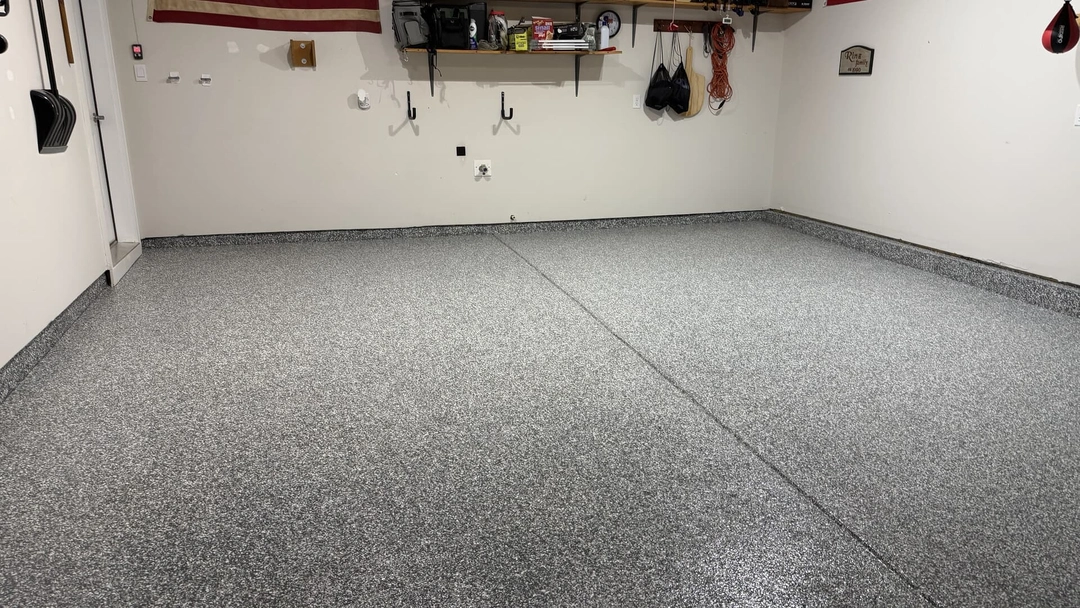
Understanding Epoxy Flooring Costs for Your Home
What Influences the Price of Epoxy Floors
When homeowners in Boyertown begin planning a flooring upgrade, one of the first questions that arises centers on investment. The price of installing an epoxy floor varies significantly based on several factors, and understanding these variables helps you prepare a realistic budget for your project.
Material selection plays a substantial role in determining overall costs. Standard solid-color systems typically represent the most affordable option, while decorative flake coatings and custom designs with metallic finishes or stone effects command higher prices. The quality of the epoxy itself matters considerably. Premium, American-made products offer superior durability and chemical resistance compared to lower-grade alternatives, which can affect both initial investment and long-term value.
Surface preparation requirements directly impact pricing. Concrete floors with minimal cracking or surface imperfections require less preparatory work than those needing extensive repair. Diamond grinding to create the proper profile for adhesion, filling divots, and addressing structural cracks all add to the project scope. In older Boyertown homes with basement floors that have settled or developed moisture issues, preparation becomes even more critical to ensure lasting results.
Square footage naturally affects the bottom line, though larger projects often benefit from economies of scale. A two-car garage typically costs less per square foot than a small workshop because mobilization and setup costs get distributed across more area. The complexity of the space also matters. Rooms with numerous corners, drains, or built-in fixtures require more detailed work than open rectangular spaces.
Topcoat selection influences both performance and price. A maintenance-free, UV-resistant topcoat provides exceptional protection against yellowing and wear but represents a higher investment than standard clear coats. For spaces with high traffic or exposure to automotive fluids and chemicals, this upgrade proves worthwhile over time.
Typical Price Ranges for Residential Projects
Residential projects in Pennsylvania typically fall within predictable ranges, though each installation requires individual assessment to provide accurate pricing. Understanding these general parameters helps homeowners develop preliminary budgets before requesting formal estimates.
For a standard two-car garage measuring approximately 400 square feet, most homeowners can expect pricing between $1,600 and $3,200, depending on material choices and preparation needs. This range assumes concrete in reasonably good condition requiring standard diamond grinding, a multi-color flake system for aesthetic appeal, and a quality topcoat for protection. Single-car garages or smaller workshops measuring around 200 square feet generally range from $1,000 to $1,800.
Basement installations vary more widely due to moisture considerations and the potential need for vapor barriers or specialized primers. A typical 500-square-foot basement floor might range from $2,000 to $4,000. Homes built in the 1970s and earlier in the Boyertown area sometimes present additional challenges with moisture migration through older concrete, requiring moisture mitigation products that add to the investment but prove necessary for warranty coverage.
Custom design work, such as creating stone or marble effects, incorporating business logos, or installing intricate patterns, increases pricing by 30 to 50 percent over standard flake systems. These specialty applications require additional labor time and advanced materials but create truly unique spaces that enhance property value.
Commercial installations for retail spaces or institutional facilities follow different pricing structures due to higher traffic demands, larger square footage, and specific performance requirements. These projects typically require chemical-resistant formulations and anti-slip additives, with pricing assessed on a project-by-project basis.
How Preparation Impacts Your Investment
Surface preparation represents the foundation of any successful flooring installation, and cutting corners in this phase inevitably leads to problems down the road. Many homeowners underestimate the importance of proper prep work, but it directly determines how well the coating adheres and how long it lasts.
Diamond grinding creates the essential profile in concrete that allows epoxy to bond mechanically. This process removes surface contaminants, opens the concrete pores, and creates the texture needed for adhesion. Skipping this step or using inadequate methods like acid etching results in poor bonding and premature failure. Professional diamond grinding equipment and technique make a measurable difference in outcomes.
Crack repair prevents moisture intrusion and structural issues from compromising the finished floor. Small hairline cracks might seem insignificant, but Pennsylvania’s freeze-thaw cycles cause them to expand over time. Properly filling these with flexible epoxy compounds prevents further deterioration. Larger structural cracks may require routing and filling with specialized materials to ensure stability.
Divot repair creates the level surface necessary for a professional appearance. Low spots and small holes collect epoxy during application, creating uneven coating thickness and visual imperfections. Filling these imperfections before coating ensures uniform coverage and optimal performance.
In basements, moisture testing determines whether additional steps are necessary before coating. Concrete naturally wicks moisture from the ground, and excessive moisture vapor transmission causes epoxy to delaminate. When testing reveals elevated moisture levels, vapor barriers or moisture-mitigating primers become essential. These add to the project investment but protect against costly failures.
Thorough cleaning removes oils, efflorescence, and other contaminants that interfere with bonding. Garage floors that have absorbed years of automotive fluids require degreasing treatments. Failing to address these invisible barriers results in poor adhesion regardless of how well other preparation steps are executed.
Comparing DIY Approaches to Professional Installation
The appeal of saving money through do-it-yourself installation attracts many homeowners, but understanding the realities of what this approach entails helps make informed decisions. While DIY kits exist, the quality gap between amateur and professional installations is substantial.
Equipment represents a significant barrier to successful DIY projects. Professional diamond grinders cost thousands of dollars and require skill to operate effectively. Rental equipment often lacks the power and features needed to create proper surface profiles. Without achieving the right concrete profile, even premium coatings fail prematurely. Similarly, professional installers use specialized mixing equipment, spiked shoes for working on wet epoxy, and application tools designed specifically for these materials.
Material quality differs dramatically between consumer-grade kits and professional products. Big-box store kits typically contain lower-solids formulations that provide thinner coverage and less durability. Professional-grade, American-made products offer higher performance characteristics, better chemical resistance, and superior UV stability. These materials also come with manufacturer support and warranty coverage when installed by certified applicators.
The knowledge required to properly assess concrete condition, select appropriate materials for specific circumstances, and execute flawless installation comes from training and experience. Understanding when moisture mitigation is necessary, how to address substrate issues, and how to achieve uniform coverage with proper mil thickness requires expertise that develops over hundreds of installations.
Time investment often catches DIY enthusiasts by surprise. What professionals complete in one or two days typically takes homeowners a full weekend or longer, with results that rarely match professional standards. The physical demands of grinding concrete and working on hands and knees for extended periods should not be underestimated.
When installation problems occur with DIY projects, homeowners bear the full cost of removal and reinstallation. Failed coatings require mechanical removal, adding significant expense and effort. Professional installations backed by warranties transfer this risk to the contractor, providing protection for your investment.
For homeowners seeking guidance on professional flooring solutions, consulting with experienced installers provides clarity on options and realistic budgeting.
Long-Term Value and Return on Investment
Evaluating flooring investments requires looking beyond initial pricing to consider long-term value and performance. The true measure of any home improvement lies in its durability, maintenance requirements, and impact on property value over years of use.
Properly installed systems last decades with minimal maintenance. Unlike painted concrete that chips and requires reapplication every few years, quality coatings with UV-resistant topcoats maintain their appearance and protective qualities for 15 to 20 years or more. This longevity means the annual cost of ownership becomes quite modest when calculated over the floor’s lifespan.
Maintenance requirements differ dramatically from other flooring options. These surfaces resist staining from oils, chemicals, and household spills that permanently damage bare concrete or other flooring types. Routine cleaning requires only sweeping and occasional mopping with mild detergent. There are no special treatments, waxing, or periodic refinishing to budget for, unlike wood or tile floors.
Energy efficiency benefits often go unrecognized. The glossy finish reflects light, brightening basements and garages while reducing lighting needs. In finished basement spaces where families spend significant time during Pennsylvania winters, this improved brightness creates more inviting environments without additional electrical costs.
Property value enhancement provides tangible returns when selling. Updated garages and basements with attractive, durable floors appeal to buyers and contribute to positive first impressions. Real estate professionals consistently note that well-maintained garage spaces with quality floors help homes sell faster and command better prices. While you may not recoup 100 percent of your flooring investment in increased sale price, the combination of personal enjoyment during ownership and market appeal at sale time delivers meaningful value.
Protection for underlying concrete represents another form of long-term value. Unsealed concrete degrades over time from moisture penetration, freeze-thaw cycles, and chemical exposure. Protective coatings prevent this deterioration, avoiding costly concrete replacement down the road. This preservation proves particularly valuable in garages where road salt and automotive fluids would otherwise damage the substrate.
Homeowners throughout Boyertown trust local professionals who understand regional conditions and install systems designed for Pennsylvania’s climate challenges. Working with installers who offer lifetime warranties on their work provides confidence that your investment is protected. The team brings expertise in surface preparation, material selection, and installation techniques that ensure optimal results.
When you are ready to explore options for transforming your garage, basement, or commercial space, consulting with knowledgeable professionals helps you make informed decisions. Understanding the factors that influence pricing, the importance of proper preparation, and the long-term value of quality materials and installation allows you to budget appropriately for a floor that will serve your needs for years to come. For more information about available options and to schedule a free consultation, visit our contact page or explore our gallery of completed projects.